In today’s fast-paced digital landscape, capturing and maintaining audience attention has become increasingly challenging. Content creators and marketers face fierce competition for user engagement, making it essential to leverage every available tool. The strategic use of visual elements has emerged as one of the most effective ways to communicate messages, whether you’re promoting services on an online casino cashlib payment integration support, or building brand awareness across social platforms.
Research consistently shows that people process visual information significantly faster than text alone. The human brain can identify images in as little as 13 milliseconds, making visuals an incredibly powerful communication medium. This rapid processing capability explains why websites incorporating strong visual elements typically see higher engagement rates and longer visitor sessions compared to text-heavy alternatives.
Why Visual Content Captures Attention
Our brains are hardwired to respond to visual stimuli. From an evolutionary perspective, humans have relied on visual information for survival, developing sophisticated neural pathways dedicated to processing what we see. This biological predisposition makes visual content inherently more engaging than text alone.
Color plays a particularly important role in visual attraction. Studies indicate that color can increase brand recognition by up to 80 percent, while also influencing purchasing decisions and emotional responses. The strategic use of color in logos, graphics, and website design creates immediate associations and helps establish brand identity. Warm colors like red and orange evoke energy and urgency, while cool tones such as blue and green communicate trust and tranquility.
Movement and animation add another dimension to visual engagement. The human eye naturally tracks motion, which explains why video content and animated graphics capture attention so effectively. Even subtle animations, like hover effects on buttons or gentle transitions between sections, can significantly enhance user experience and keep visitors engaged with content longer.
Types of Visual Content That Drive Engagement
Different formats of visual content serve distinct purposes and appeal to varied audience preferences. Understanding these options helps creators develop comprehensive visual strategies.
Infographics combine data visualization with design elements to present complex information in digestible formats. They excel at simplifying statistics, processes, or comparisons, making them highly shareable across social media platforms. A well-designed infographic can convey information that might require several paragraphs of text in a single, compelling image.
Video content has exploded in popularity, with platforms prioritizing video in their algorithms. Short-form videos work exceptionally well for social media engagement, while longer formats suit educational content or in-depth tutorials. Live video streaming adds authenticity and creates real-time connections with audiences, fostering community and loyalty.
Photography remains fundamental to visual storytelling. High-quality, authentic images resonate more deeply than generic stock photos. User-generated content and behind-the-scenes glimpses humanize brands and create emotional connections. Product photography requires particular attention, as visual presentation directly influences purchasing decisions on online entertainment platforms and e-commerce sites.
Visual Content in Digital Marketing
Visual content forms the backbone of effective digital marketing strategies. Social media platforms have become inherently visual, with image-based platforms like Instagram and Pinterest demonstrating the power of pictures over text. Even traditionally text-focused platforms now prioritize visual posts in their feeds and algorithms.
Email marketing campaigns incorporating visual elements achieve higher click-through rates compared to text-only messages. Headers with compelling imagery, embedded videos, or animated GIFs break up text and guide readers through the message. The strategic placement of visuals creates natural pauses that improve comprehension and retention.
Website design relies heavily on visual hierarchy to guide visitors through desired actions. Strategic use of whitespace, contrasting colors, and visual cues like arrows or icons direct attention to important elements. Landing pages with strong visual components consistently outperform text-heavy alternatives in conversion rates.
Content marketing benefits immensely from visual enhancement. Blog posts with relevant images receive 94 percent more views than those without. Breaking up lengthy text with charts, diagrams, or illustrative images improves readability and reduces bounce rates. Visual content also increases the likelihood of social shares, extending reach beyond original audiences.
Creating Effective Visual Content
Producing impactful visual content requires both creative vision and technical understanding. Quality matters significantly—poorly executed visuals can damage credibility rather than enhance it. Investing in proper tools, whether photography equipment, design software, or video production capabilities, pays dividends in professional presentation.
Consistency in visual branding creates recognition and trust. Establishing guidelines for color palettes, fonts, image styles, and graphic elements ensures cohesive presentation across all channels. This consistency helps audiences immediately identify your content, even before reading accompanying text.
Authenticity resonates with modern audiences who have developed sophisticated filters for detecting inauthentic or overly polished content. Balancing professional quality with genuine representation creates connections that purely aesthetic approaches cannot achieve. Behind-the-scenes content, employee spotlights, and customer testimonials presented visually build credibility.
Accessibility considerations ensure visual content reaches the broadest possible audience. Including alternative text for images helps visually impaired users, while captions on videos serve both hearing-impaired viewers and those watching without sound. These practices not only expand reach but also improve search engine optimization.
Measuring the Impact of Visual Content
Tracking visual content performance provides insights for optimization and strategy refinement. Engagement metrics like shares, comments, and saves indicate how well visuals resonate with audiences. Heat mapping tools reveal which visual elements attract attention on websites and where users focus their gaze.
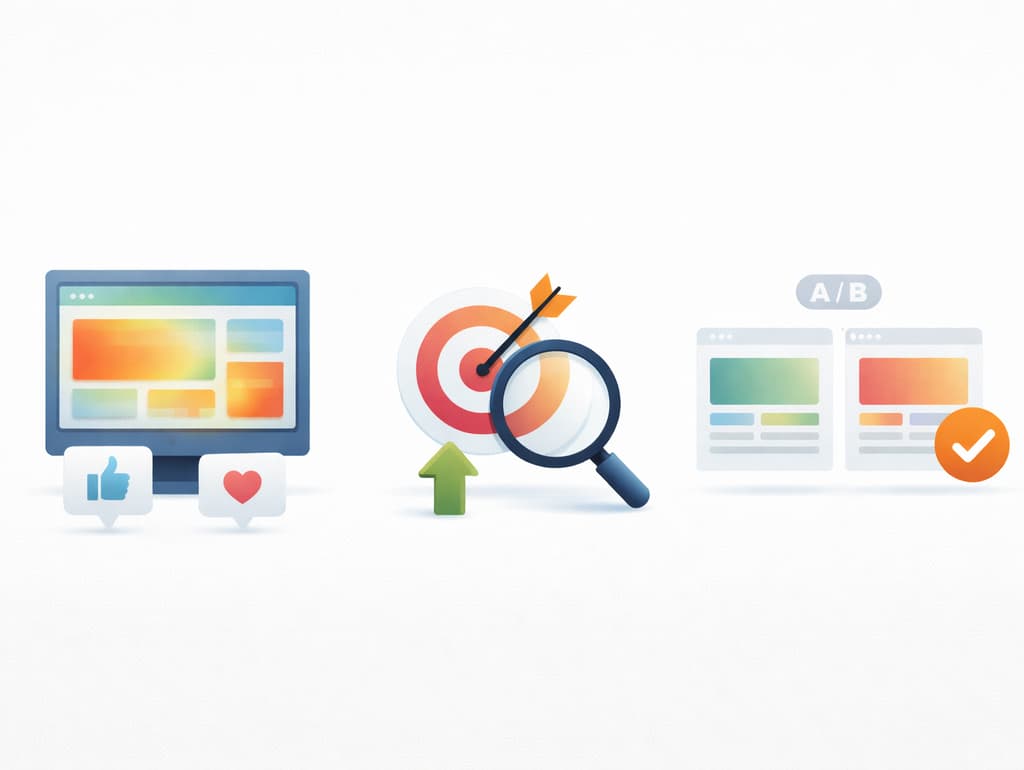
Conversion tracking connects visual content directly to business outcomes. A/B testing different images, layouts, or video content identifies which approaches drive desired actions. These data-driven insights remove guesswork from visual strategy development.
The power of visual content lies not just in its ability to attract attention, but in its capacity to communicate complex ideas quickly, evoke emotions, and drive meaningful engagement. As digital landscapes continue evolving, the role of visual content will only grow more central to successful communication strategies across all platforms and industries.